
 English
 Arabic
 English
 French
 German
Paid Training for Cybersecurity: A Smarter Way into Tech in 2026
Paid Training for Cybersecurity: A Smarter Way into Tech in 2026
Cybersecurity has quickly become one of the most in-demand career fields in the United States. Organizations across finance, healthcare, government, and technology sectors continue to face sophisticated cyber threats, and they urgently need professionals who can manage risk and protect sensitive systems.
This growing demand has pushed many professionals to search for paid training for cybersecurity instead of traditional college degrees. While universities offer strong academic pathways, such as a Master’s in Cyber Security USA or specialized cybersecurity programs, many learners want a faster and more practical route into the field.
Traditional cybersecurity programs often require years of study, technical prerequisites, or advanced coding knowledge. For career changers, immigrants, and professionals from non-technical backgrounds, that path can feel overwhelming.
Paid training models have begun to change this industry. These programs focus on hands-on learning, industry frameworks, and real job preparation rather than purely academic theory.
Institutions like ExcelMindCyber Institute have emerged as leaders in this approach by helping beginners transition into cybersecurity careers without prior tech experience. Instead of focusing on coding or engineering roles, the institute emphasizes Governance, Risk, and Compliance, an area of cybersecurity where professionals can apply analytical, regulatory, and business skills.
As cybersecurity continues to evolve, paid training pathways are opening doors for thousands of professionals who want to enter the field faster while building practical expertise that employers value.

What Is Paid Training for Cybersecurity?
Paid training for cybersecurity allows learners to build cybersecurity skills while receiving financial support or employer-backed training opportunities. Unlike traditional cybersecurity programs that require years of academic study, paid training focuses on practical skills, certifications, and real job preparation.
Many paid training for cybersecurity programs include apprenticeships, boot camps, and employer-sponsored learning tracks. Participants often gain hands-on experience in areas like risk management, network security, and compliance frameworks while preparing for entry-level cybersecurity roles.
This approach has become especially attractive for beginners and career changers who want to enter the cybersecurity field faster without completing a four-year degree or learning advanced coding.
RELATED: Cybersecurity Jobs: 2026 Comprehensive Guide
Best Cybersecurity Programs in the US
Several universities offer some of the best cybersecurity programs US, especially for students who want a traditional academic path into the field. These programs typically combine technical coursework, research opportunities, and industry partnerships with government agencies such as the National Security Agency and the Cybersecurity and Infrastructure Security Agency.
Here are some of the most recognized cybersecurity programs in the United States.
- Johns Hopkins University
Johns Hopkins University leads research in applied cybersecurity, cryptography, and data privacy. Its programs attract professionals who want advanced training in security engineering and policy.
- University of California, Berkeley
UC Berkeley offers the well-known online Master’s in Cyber Security USA through its Master of Information and Cybersecurity program. The curriculum blends technical security training with policy and risk management.
- SANS Technology Institute
The SANS Technology Institute offers one of the most practical best cybersecurity master’s programs in US, combining coursework with several GIAC certifications. The program focuses heavily on hands-on training in areas such as incident response and network defense.
- New York University
NYU provides strong cybersecurity and digital forensics programs. Students gain exposure to security operations, cyber investigations, and security policy.
- Georgia Institute of Technology
Georgia Tech ranks among the most respected technical universities for cybersecurity research and innovation. Its programs emphasize system security, cryptography, and threat detection.
- University of Arizona
The University of Arizona offers extensive graduate programs focused on cybersecurity policy, data protection, and information assurance.
These universities represent some of the best cybersecurity graduate programs available today. However, many of these programs require several years of study, technical prerequisites, and significant tuition investment.
Best Cyber Security Graduate Programs and Degree Paths
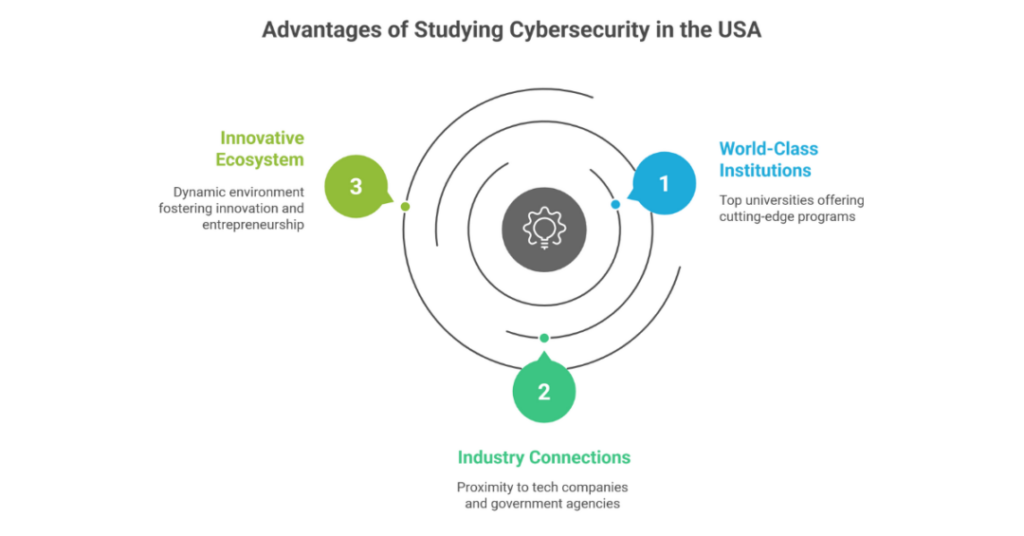
Many students pursue best cyber security Graduate programs to build deep technical expertise and qualify for advanced roles in the cybersecurity field. Universities across the United States offer graduate degrees that focus on both the technical and strategic aspects of cybersecurity.
A typical Master’s in Cyber Security USA program blends coursework, research projects, and real-world simulations. These programs often prepare students for leadership roles in cybersecurity operations, security engineering, and policy development.
What Classes Are Required for a Cyber Security Degree?
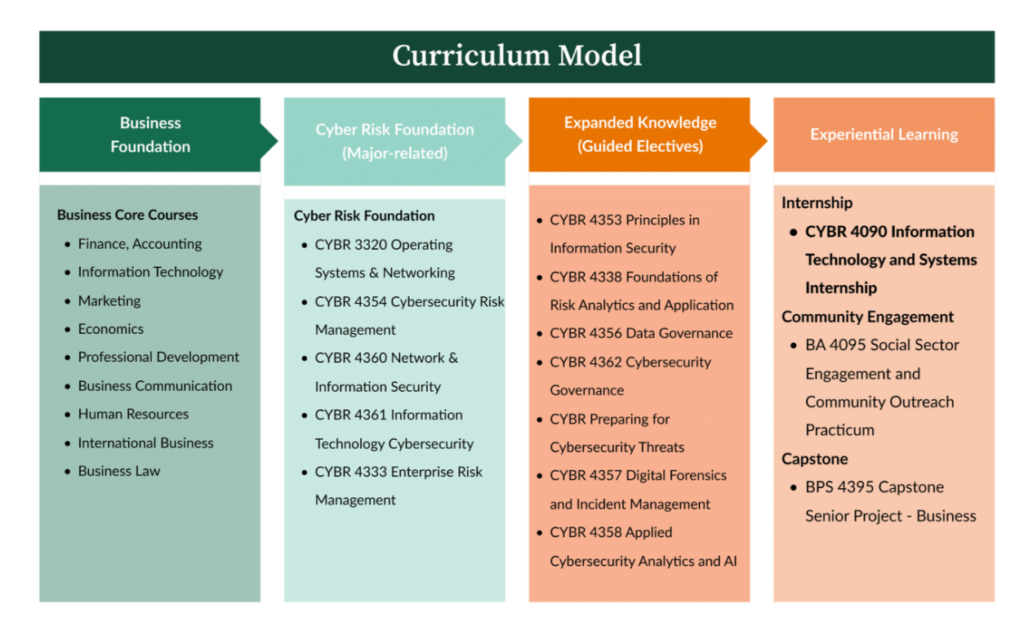
Students enrolled in graduate cybersecurity programs usually study a combination of technical and governance-focused subjects. Common courses include:
- Network Security
- Digital Forensics
- Cryptography
- Risk Management and Compliance
- Incident Response and Threat Detection
- Cybersecurity Policy and Governance
These courses help students understand how organizations protect digital infrastructure and respond to cyber threats.
Graduate programs can provide strong academic foundations, especially for individuals who want to pursue research roles, security engineering positions, or leadership roles in cybersecurity strategy.
However, these programs typically require significant time and financial investment. Many best cybersecurity master’s programs in US take between one and two years to complete, and tuition can range from $12,000 to more than $30,000 depending on the institution.
Because of these requirements, many career switchers now explore faster alternatives such as paid training for cybersecurity, which focuses on practical job preparation and industry frameworks rather than lengthy academic study.
READ MORE: Is Cybersecurity Hard to Learn? A Complete Analysis
Best Cyber Security Undergraduate Programs
Students who want to start their careers early often enroll in the best Cyber security undergraduate programs offered by universities across the United States. These bachelor’s degree programs introduce foundational IT concepts, cybersecurity principles, and technical skills required to defend modern digital systems.
Many universities structure undergraduate cybersecurity degrees around core computer science and information security courses. Students typically complete both classroom instruction and hands-on lab work to build practical technical experience.
What Students Learn in Cybersecurity Bachelor Programs
Undergraduate cybersecurity degrees usually include courses such as:
• Computer networks and operating systems
• Cyber threat detection and incident response
• Ethical hacking and penetration testing
• Security architecture and system hardening
• Digital forensics and cyber investigations
These courses prepare students for entry-level cybersecurity roles or further study in best cyber security Graduate programs.
Cyber Security Bachelor Degree Salary
Graduates of undergraduate cybersecurity programs often start their careers in roles such as:
• IT Support Specialist
• Junior Security Analyst
• Network Administrator
According to industry salary reports, entry-level professionals with a cyber security bachelor degree salary typically earn between $60,000 and $80,000 per year in the United States, depending on location, certifications, and technical experience.
While bachelor’s programs provide a strong academic foundation, they usually require four years of study. For professionals who already have careers or degrees in other fields, alternative pathways such as paid training for cybersecurity have become an increasingly popular way to enter the industry faster.
Cyber Security Courses in the US for International Students
The United States attracts thousands of students each year who want to study cybersecurity. Many universities and training institutions offer Cyber Security courses in US for international students, providing opportunities to learn advanced security concepts while gaining exposure to the American technology sector.
Traditional universities often offer international students access to undergraduate and graduate cybersecurity degrees. Programs such as a Master’s in Cyber Security USA usually require admission tests, proof of English proficiency, and a strong academic background in technology or computer science.
While these programs provide excellent academic training, they can be expensive and time consuming. Tuition for international students can exceed tens of thousands of dollars per year, and many programs require multiple years of study before graduates enter the job market.
For this reason, many international students now explore paid training for cybersecurity and specialized career-transition programs. These alternatives focus more on practical industry skills rather than long academic pathways.
Institutions like ExcelMindCyber Institute have become increasingly attractive to international learners because the training focuses on Governance, Risk, and Compliance (GRC) roles that do not require coding or advanced technical experience. Students learn how organizations manage cybersecurity risk, follow compliance frameworks, and protect sensitive systems.
This approach allows individuals from diverse professional backgrounds to enter cybersecurity while building practical knowledge that employers value in real-world security environments.
ALSO READ: Difference Between Risk Assessment and Risk Management: 2026 Complete Guide
Paid Training for Cybersecurity: The Fastest Path for Career Switchers
Traditional cybersecurity programs, such as bachelor’s and master’s degrees can take years to complete. They often require technical prerequisites, programming knowledge, and significant tuition costs. While these programs remain valuable, many professionals today want a faster path into the cybersecurity workforce.
This shift explains the growing popularity of paid training for cybersecurity.
Paid training programs focus on practical job preparation instead of long academic theory. Students learn the core concepts employers expect while gaining exposure to real-world security frameworks, risk management practices, and industry tools.
Many of these programs also emphasize career transition support. Participants often receive mentorship, resume guidance, and interview preparation designed to help them secure entry-level cybersecurity roles.
For beginners and professionals without a technical background, this pathway removes many of the barriers associated with traditional cybersecurity education.
Institutions such as ExcelMindCyber Institute have built their training model around this approach. Rather than requiring coding or engineering skills, the institute focuses on Governance, Risk, and Compliance (GRC), one of the fastest-growing areas of cybersecurity.
GRC roles focus on identifying risks, implementing security policies, and ensuring organizations follow regulatory standards. Because these roles emphasize analysis, communication, and compliance frameworks, professionals from fields such as finance, auditing, administration, healthcare, and project management can transition into cybersecurity without prior technical experience.
For many career changers, paid training for cybersecurity provides a practical entry point into an industry that continues to expand rapidly across the United States.
Top Paid Training for Cybersecurity Programs
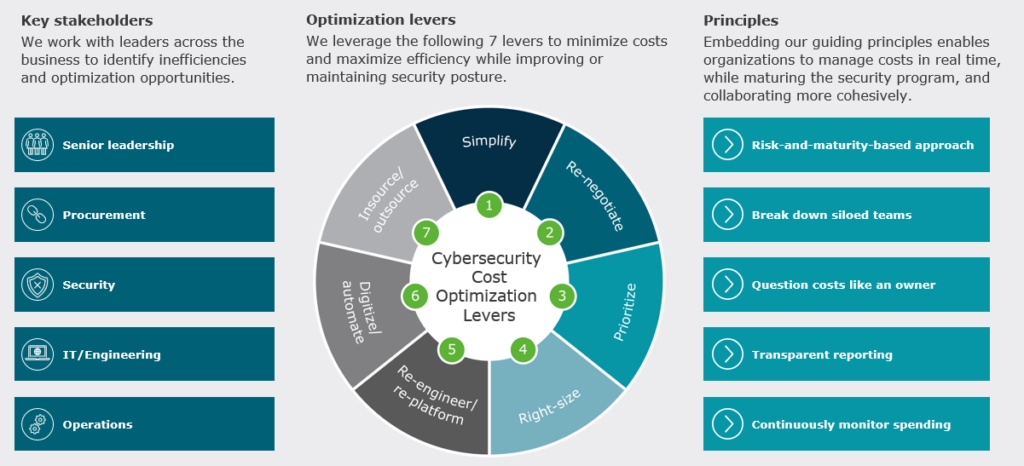
Many organizations now offer paid training for cybersecurity to help close the global cybersecurity skills gap. These programs combine education with real-world preparation, allowing learners to build the knowledge and experience needed for cybersecurity careers.
Below are some recognized programs that provide structured training pathways.
Amazon Technical Apprenticeships
Amazon offers apprenticeship programs that help participants transition into technology roles, including cybersecurity and cloud security. Apprentices gain hands-on experience while learning core technical skills that prepare them for roles within the company.
Cisco Networking Academy
Cisco provides one of the most widely accessible cybersecurity programs in the world. Its Networking Academy offers free courses covering networking, cybersecurity fundamentals, and security operations. Many learners use these courses as a stepping stone into entry-level cybersecurity roles.
Google Cybersecurity Certificate
Google’s certificate program introduces beginners to cybersecurity fundamentals, including threat detection, risk management, and security operations. The course runs online and provides foundational knowledge for individuals who want to begin a cybersecurity career.
IBM Cybersecurity Analyst Program
IBM offers training programs focused on network security, incident response, and cybersecurity tools. Learners gain exposure to the practical skills required for security operations roles.
ExcelMindCyber Institute
Among modern paid training for cybersecurity options, ExcelMindCyber Institute stands out for its focus on career transition rather than traditional technical training.
The institute specializes in Governance, Risk, and Compliance (GRC), an area of cybersecurity that focuses on risk management, regulatory compliance, and security governance inside organizations. Unlike many programs that require coding or engineering skills, ExcelMindCyber Institute trains professionals to enter cybersecurity without prior technical experience.
Students learn how organizations manage cybersecurity risks, apply security frameworks, and prepare for roles such as GRC Analyst, Risk Analyst, and Compliance Specialist. The institute also emphasizes mentorship, career positioning, and practical guidance designed to help learners secure cybersecurity jobs.
For professionals looking for a structured entry into cybersecurity without spending years in traditional degree programs, training pathways like this have become increasingly attractive.
MORE: What Are Capture-the-Flag Competitions in Cybersecurity?
How to Choose the Right Cybersecurity Program
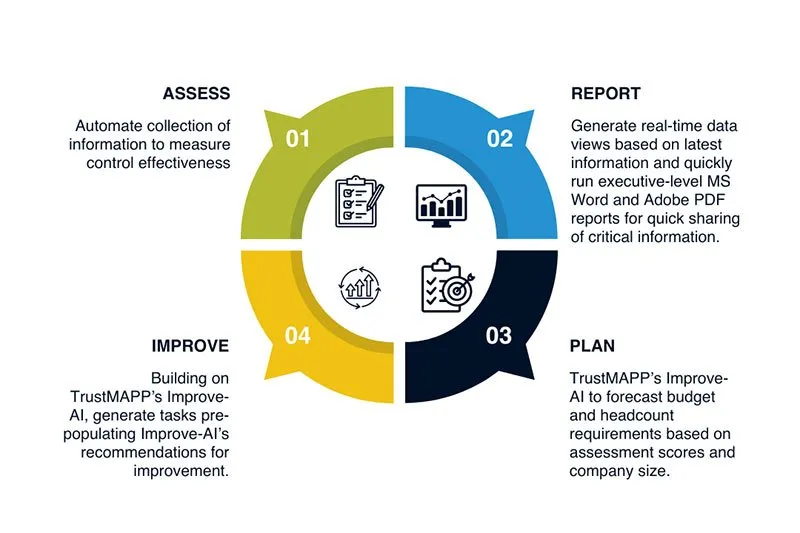
With so many cybersecurity programs available today, choosing the right path can feel overwhelming. The best option depends on your career goals, learning style, and how quickly you want to enter the cybersecurity workforce.
Consider Your Career Timeline
Some learners prefer traditional academic routes such as best cybersecurity master’s programs in US or undergraduate degrees. These programs offer deep technical training but often require several years of study. If you want to enter the industry faster, paid training for cybersecurity may provide a quicker pathway.
Evaluate the Program’s Focus
Cybersecurity includes multiple career paths. Some programs emphasize highly technical roles like penetration testing and security engineering. Others focus on governance, risk management, and compliance. If you come from a non-technical background, programs that specialize in GRC cybersecurity roles may align better with your existing skills.
Look for Practical Training
Hands-on learning plays a critical role in cybersecurity education. Strong programs include labs, case studies, and real-world scenarios that simulate how organizations handle cyber threats and compliance requirements.
Review Career Support
The most valuable training programs go beyond teaching technical concepts. They help students prepare for the job market by offering resume guidance, interview preparation, and mentorship from experienced professionals.
Assess Accessibility and Flexibility
Some learners prefer traditional university degrees, while others need flexible learning options such as remote training or accelerated programs. Paid training for cybersecurity programs often provide this flexibility, allowing professionals to learn while maintaining their current responsibilities.
By carefully evaluating these factors, you can choose a cybersecurity training pathway that aligns with your goals and provides the skills needed to succeed in the rapidly growing cybersecurity industry.
Final Thoughts…
Cybersecurity continues to grow as one of the most important fields in the digital economy. Organizations across industries need professionals who can manage cyber risks, protect sensitive information, and ensure compliance with security standards. This demand has created many entry points into the industry through universities, certifications, and paid training for cybersecurity.
Traditional cybersecurity programs such as bachelor’s and master’s degrees remain valuable for individuals who want deep technical knowledge and academic research opportunities. Programs like the best cybersecurity master’s programs in US or a Master’s in Cyber Security USA can provide strong foundations for long-term careers in security engineering, digital forensics, and advanced cyber defense.
At the same time, many professionals today seek faster and more practical pathways into cybersecurity. Paid training programs focus on hands-on skills, real-world frameworks, and career preparation rather than lengthy academic study.
Institutions like ExcelMindCyber Institute demonstrate how this modern approach can open doors for beginners and career changers. By focusing on Governance, Risk, and Compliance roles that do not require coding, the institute helps professionals from non-technical backgrounds build the knowledge needed to enter cybersecurity.
As the cybersecurity workforce continues to expand, individuals now have more options than ever before. Whether through traditional degrees or paid training for cybersecurity, choosing the right program can set the foundation for a rewarding career in one of the most important industries of the modern world.
FAQ
What is the best cybersecurity program in the US?
The best cybersecurity program depends on your career goals and background. Traditional universities such as Johns Hopkins University, UC Berkeley, and Georgia Tech offer some of the best cybersecurity programs US for students pursuing academic degrees. However, these programs often require several years of study and strong technical prerequisites.
For professionals who want to enter cybersecurity faster without prior tech experience, career transition programs like ExcelMindCyber Institute offer a practical alternative. The institute focuses on Governance, Risk, and Compliance (GRC), helping beginners and career changers build the skills needed to land cybersecurity jobs without coding or engineering backgrounds.
Can you make $500,000 a year in cyber security?
Yes, it is possible to earn very high salaries in cybersecurity, especially in senior leadership or specialized roles. Positions such as Chief Information Security Officer (CISO), security consultants, and cybersecurity executives at large companies can earn compensation packages approaching or exceeding $500,000 annually.
Most professionals start in entry-level roles such as Security Analyst or GRC Analyst and grow into higher-paying positions over time. Training programs that focus on practical skills and industry frameworks, such as those offered by ExcelMindCyber Institute, help professionals enter the industry and build a pathway toward higher earning potential.
Is 25 too late to start a career in cybersecurity?
No. In fact, many cybersecurity professionals begin their careers well after age 25. The industry attracts people from diverse backgrounds, including finance, healthcare, compliance, project management, and business operations.
Programs like ExcelMindCyber Institute specifically support career switchers and beginners who may not have a technical background. By focusing on areas like Governance, Risk, and Compliance, learners can transition into cybersecurity roles without needing years of prior IT experience.
What are the 7 types of cybersecurity?
Cybersecurity includes several major domains that focus on protecting digital systems and information. Common categories include:
Network Security – Protecting computer networks from unauthorized access and attacks.
Application Security – Securing software and applications from vulnerabilities.
Information Security – Protecting sensitive data from breaches and unauthorized access.
Cloud Security – Safeguarding data and systems stored in cloud environments.
Endpoint Security – Protecting devices such as laptops, phones, and servers.
Operational Security (OPSEC) – Managing policies and processes that protect organizational data.
Governance, Risk, and Compliance (GRC) – Ensuring organizations follow cybersecurity regulations, manage risk, and maintain security frameworks.
At ExcelMindCyber Institute, the training focuses heavily on Governance, Risk, and Compliance because it provides one of the most accessible entry points into cybersecurity for professionals without coding or technical experience.