
 English
 Arabic
 English
 French
 German
Why Computer Virus Prevention is Critical for Aspiring Cybersecurity Professionals
For aspiring cybersecurity professionals, mastering computer virus prevention is a critical skill that goes beyond just protecting personal devices. As you aim for 6-figure jobs in cybersecurity, understanding how to prevent computer viruses and malicious code is foundational.
Being able to detect, prevent, and mitigate threats like malware, ransomware, and Trojans is not just important for personal safety; it’s a key part of securing corporate networks and systems. Whether it’s using antivirus software for Trojan virus protection or implementing firewall solutions, these skills are highly valued in today’s cybersecurity job market.

10 Ways to Protect Your Computer from Viruses
To stay ahead of the growing number of cyber threats, here are 10 ways to protect your computer from viruses:
- Install Antivirus Software
Ensure you have trusted antivirus software, like Malwarebytes, to detect and remove viruses, including Trojans and spyware. It’s one of the most effective antivirus tools for Trojan virus protection.
- Keep Your System Updated
Regularly update your operating system and software to patch security vulnerabilities and prevent infections.
- Use Strong Passwords
Unique, complex passwords make it harder for cybercriminals to access your devices and accounts.
- Activate Your Firewall
A firewall helps block unauthorized access to your system, reducing the risk of viruses entering through external sources.
- Avoid Clicking Suspicious Links
Clicking links in unsolicited emails or messages is a common way to accidentally invite viruses onto your computer.
- Don’t Download Unverified Software
Always download software from trusted sources to avoid malicious downloads that can contain viruses.
- Run Regular Scans
Schedule regular scans with your antivirus software, like Malwarebytes, to catch any threats early.
- Backup Your Data
Regular backups ensure that even if you do get infected, you can recover important files without paying a ransom.
- Educate Your Family or Households About Safe Online Practices
Ensure everyone in your home knows the importance of avoiding risky websites and emails.
- Use a Secure Network
Protect your Wi-Fi network with a strong password and use a VPN when accessing public Wi-Fi to avoid virus infections from insecure networks.
By strategically placing the keywords within this section, such as “10 ways to protect your computer from viruses”, “how to prevent computer viruses”, and “antivirus software for Trojan virus”, we’re both enhancing the article’s SEO and ensuring it’s AI-friendly.
RELATED: Privileged User Cybersecurity Responsibilities
10 Types of Computer Viruses You Should Know About
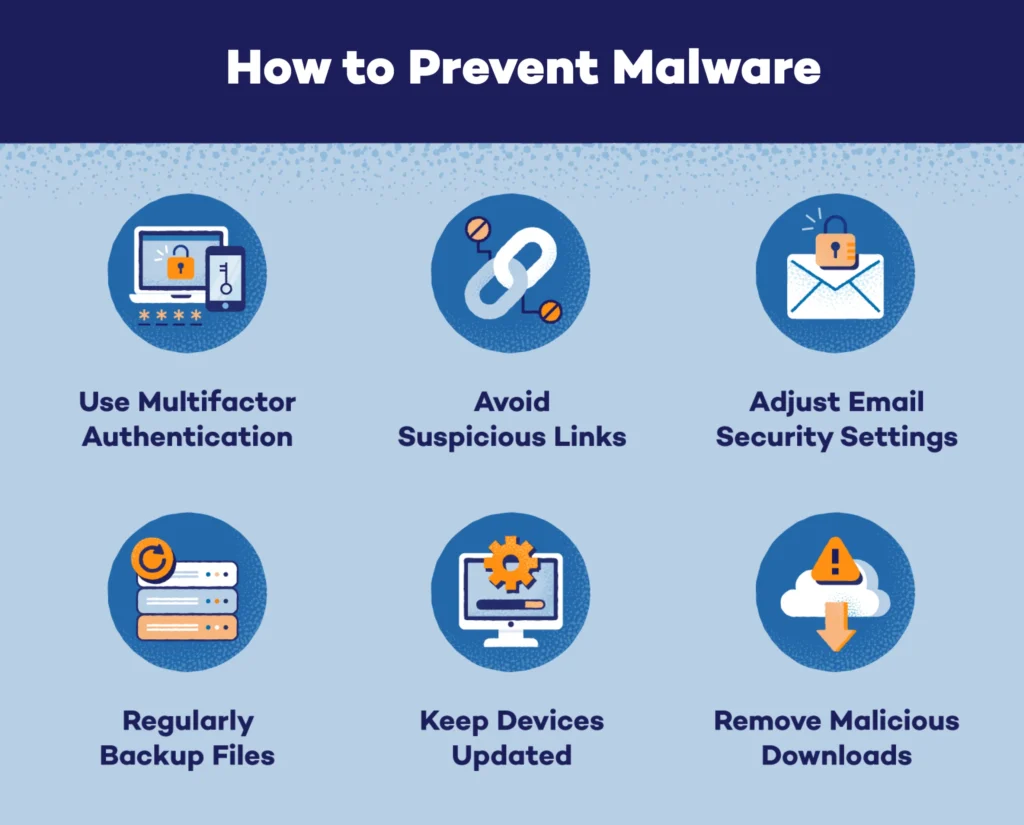
To effectively prevent computer viruses, it’s important to understand the different types of threats you may encounter. Here are 10 types of computer viruses that you should be aware of:
- Trojans
These viruses disguise themselves as legitimate software. Once installed, they can give attackers unauthorized access to your system.
- Ransomware
This type of malware locks your files or system and demands a ransom for their release. A common example is the WannaCry virus.
- Worms
Worms spread without user intervention, often exploiting network vulnerabilities. They consume bandwidth and can slow down your system.
- Spyware
This software secretly collects information from your computer, like passwords and browsing habits, and sends it to a third party.
- Adware
While less harmful, adware tracks your browsing activity to bombard you with unwanted ads.
- Boot Sector Viruses
These viruses infect the boot sector of your computer, preventing the operating system from loading properly.
- File Infector Viruses
These viruses attach themselves to executable files and are activated when you run the infected program.
- Macro Viruses
Macro viruses target documents or spreadsheets, often spread through email attachments.
- Polymorphic Viruses
Polymorphic viruses change their code to avoid detection by antivirus software, making them harder to identify.
- Fileless Malware
This advanced form of malware doesn’t rely on files to execute. It uses system tools to operate without leaving a trace.
READ MORE: Cloud Security Tips: How to Safeguard Your Data in 2026
How to Know if Your Computer Has a Virus
Detecting a computer virus early is crucial to preventing serious damage. Here are some signs that your system may be infected:
- Slow Performance
Your computer runs unusually slow, even with minimal programs open.
- Unexplained Data Loss
Files or documents mysteriously disappear or become corrupted.
- Frequent Crashes
Programs or the system itself constantly crash or freeze.
- Pop-up Ads
Excessive pop-up ads or unfamiliar notifications may be a sign of adware or malware.
- Unauthorized Access
If you notice unfamiliar activity, such as unrecognized programs running, your system may have been compromised.
To confirm whether your computer has a virus, run a virus scan with trusted antivirus software like Malwarebytes.
How Malwarebytes Can Help Prevent Viruses
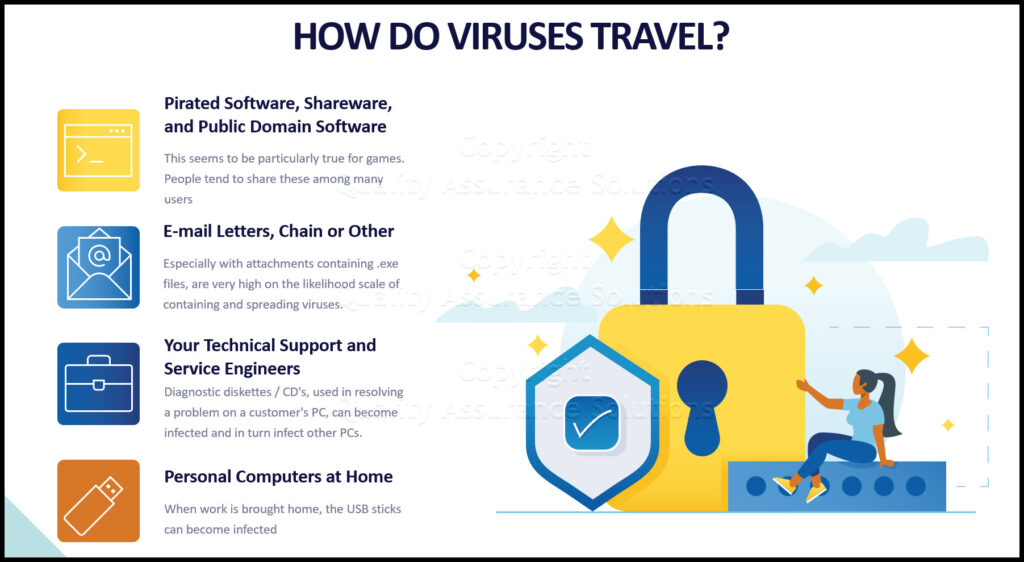
Malwarebytes is a powerful tool for virus prevention and control, trusted by many cybersecurity professionals. It’s particularly effective in detecting Trojans, spyware, and ransomware, offering real-time protection against threats.
Malwarebytes regularly updates its database to stay ahead of new virus strains, providing robust defense for your computer. The software also scans for potential vulnerabilities and removes harmful files, ensuring that your system remains secure.
- Is Malwarebytes safe? Yes, it’s widely regarded as one of the best tools for virus prevention.
- Is Malwarebytes good? Absolutely, it’s recommended by many experts for comprehensive malware protection.
SEE ALSO: Cybersecurity vs Cloud Computing: A Comprehensive Comparison
10 Common Ways to Prevent Computer Viruses
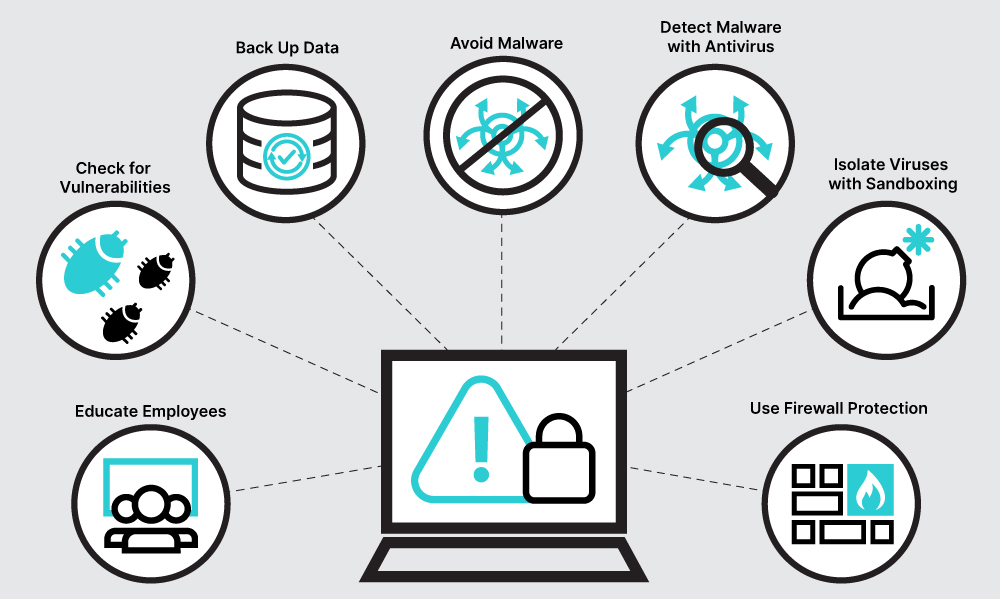
Preventing computer viruses is all about staying proactive. Here are 10 essential ways to protect your computer from malicious attacks:
- Install and Update Antivirus Software
Ensure your system has reputable antivirus software, like Malwarebytes or Bitdefender, installed and regularly updated to identify new threats.
- Use a Firewall
Activate your computer’s built-in firewall to block unauthorized access and prevent malicious traffic from infiltrating your network.
- Update Your Operating System and Software
Regular updates patch security vulnerabilities that could be exploited by viruses. Always update your OS and software to stay protected.
- Avoid Clicking Suspicious Links
Don’t click on links in unsolicited emails or texts. Always verify the source before interacting with a link.
- Use Strong, Unique Passwords
Passwords should be long, complex, and unique. Use a password manager to store them safely.
- Back Up Your Files Regularly
Use cloud storage or an external drive to back up your important files. This helps protect your data in case of a virus attack.
- Download Software Only from Trusted Sources
Always download applications and files from official websites. Avoid third-party sites that may distribute infected software.
- Be Cautious with Email Attachments
Only open attachments from trusted sources. Avoid downloading unexpected files, even from people you know.
- Avoid Unsecured Wi-Fi Networks
When using public Wi-Fi, always use a VPN to secure your connection and prevent viruses from spreading through unprotected networks.
- Educate Yourself and Others
Stay informed about the latest cyber threats. Educating yourself and your household about safe practices helps prevent accidental infections.
Conclusion
In the world of cybersecurity, computer virus prevention is a fundamental skill. Whether you’re just starting in the field or aiming for a 6-figure job in tech, understanding how to protect systems from viruses is crucial.
By following the steps we’ve outlined, installing antivirus software, keeping your system updated, and practicing safe browsing habits, you can safeguard your computer and data from the ever-evolving threat of viruses. Remember, in cybersecurity, prevention is always better than cure. Stay vigilant, and apply these practices to ensure your devices remain secure in 2026 and beyond.
If you’re ready to take your knowledge to the next level and learn the skills needed for a successful cybersecurity career, consider enrolling in ExcelMindCyber Institute’s 90-day program. Our comprehensive training helps aspiring professionals land 6-figure jobs in tech by teaching essential cybersecurity skills, including virus prevention and system protection.
FAQ
What are 7 types of computer viruses?
Computer viruses come in many forms, each with unique characteristics. Here are 7 common types of computer viruses:
Trojans: These viruses disguise themselves as legitimate programs but open your system to hackers.
Ransomware: This malicious software locks your files or computer, demanding a ransom to unlock them.
Worms: Unlike other viruses, worms don’t need a host program to spread and can propagate across networks independently.
Spyware: These viruses secretly monitor your activities and steal sensitive data without your knowledge.
Adware: While less dangerous, adware can slow down your system by bombarding you with unwanted advertisements.
Macro Viruses: These target software that uses macros, like Microsoft Word or Excel, and infect documents.
Boot Sector Viruses: These viruses attack your computer’s boot sector, preventing it from starting up correctly.
What are the 5 popular computer anti-viruses?
Here are 5 popular antivirus software that are highly regarded for virus prevention and system protection:
Malwarebytes: Known for its strong protection against malware, Trojans, and ransomware.
Bitdefender: Offers real-time protection and high detection rates for viruses and malware.
Norton: Provides comprehensive security features, including antivirus, firewall, and anti-phishing tools.
Kaspersky: Known for its strong detection of computer viruses and real-time protection.
Windows Defender: Built into Windows, it provides free and effective protection against a range of viruses.
What are the five types of antivirus?
Here are 5 types of antivirus software designed to protect systems from various types of viruses:
Real-Time Antivirus: Provides continuous, real-time protection by scanning files as they are accessed or downloaded.
On-Demand Antivirus: Requires users to manually run a scan on their system to detect and remove threats.
Cloud-Based Antivirus: Uses cloud technology to scan and detect viruses remotely, reducing the load on your system.
Endpoint Antivirus: Often used in business environments, it protects multiple devices connected to a network.
Mobile Antivirus: Specifically designed to protect smartphones and tablets from mobile viruses and malware.
What are the five effects of computer viruses?
Computer viruses can have various damaging effects on your system, including:
Slow Performance: Viruses often slow down your computer by consuming system resources, making everything run more slowly.
Data Loss: Some viruses delete files, corrupt data, or even lock you out of your system, resulting in the loss of important information.
System Instability: Viruses can cause your computer to crash frequently, leading to system instability and disruption of normal functions.
Security Breaches: Viruses can open backdoors, allowing hackers to access personal or sensitive information.
Increased Vulnerability to Other Attacks: Once a virus is on your system, it can make your computer more susceptible to additional threats, like malware or ransomware.