
 English
 Arabic
 English
 French
 German
Managed Network Services: What Professionals Need to Know in 2026
Managing network infrastructure is more essential than it used to be. Managed network services offer businesses the expertise and tools needed to optimize network performance while ensuring robust security. These services, provided by managed network service providers, help businesses focus on growth without worrying about the complexity of IT operations.
With a growing reliance on cloud solutions, remote work, and digital transformation, outsourcing network management, including managed network security services, has become a lifesaver for many organizations. In this article, we’ll explore what managed network services entail, how they improve cybersecurity, and why they matter for businesses looking to stay competitive in 2026 and beyond.

What Are Managed Network Services?
Managed network services refer to the outsourcing of a company’s IT infrastructure and network management to a specialized third-party provider, known as a managed network service provider (MSP). These services cover everything from basic network monitoring to advanced security protocols, ensuring that a company’s network operates smoothly and securely. The goal is to improve performance, minimize downtime, and reduce operational costs.
With managed network IT services, businesses can access a team of experts who manage their network infrastructure without the need to hire additional in-house IT staff. Services include network monitoring, network security management, and proactive maintenance, all designed to address issues before they impact business operations.
The growing complexity of modern business networks, encompassing everything from local area networks (LAN) to software-defined wide area networks (SD-WAN), makes outsourcing network management an attractive solution for companies of all sizes. By partnering with a trusted managed network service provider, businesses can leverage the latest technology, enhance security, and streamline their operations.
RELATED: Operation Per Second: Meaning, FLOPS vs IOPS 2026
Examples of Managed Network Services
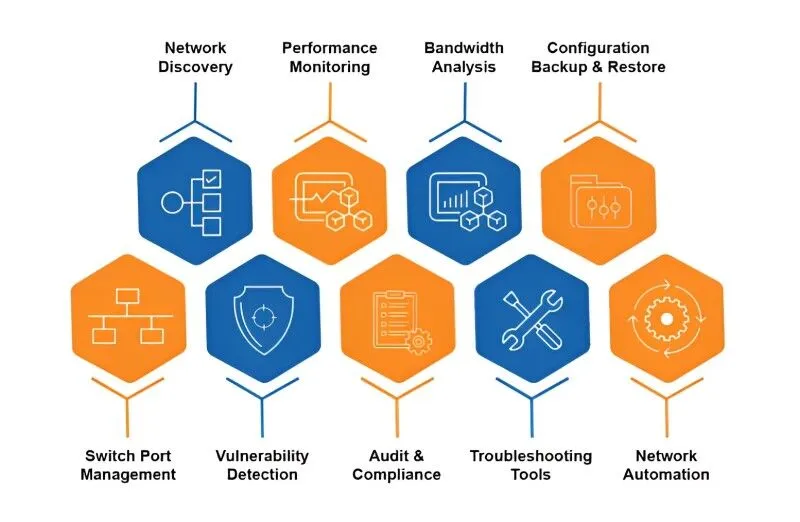
Managed network services encompass a wide range of solutions tailored to businesses’ specific needs, with a focus on enhancing network performance and security. Here are some key examples:
- Managed Network Switches: These devices allow for the seamless management of data flow across the network. MSPs often provide configuration, monitoring, and maintenance of managed network switches to ensure high availability and performance.
- Managed Network Security Services: This includes services like firewall management, intrusion detection systems, and VPNs. MSPs help businesses implement and monitor these security measures to protect against external threats and ensure compliance with industry standards.
- SD-WAN Solutions: Software-Defined Wide Area Networking (SD-WAN) improves network performance by dynamically routing traffic based on business needs, reducing latency and improving application performance, especially in remote or distributed networks.
- Network Monitoring and Performance Optimization: MSPs continuously monitor network health, identify potential bottlenecks, and optimize data traffic to ensure businesses experience minimal downtime and peak performance.
These managed network services are not just about keeping systems running; they actively improve the network’s efficiency, security, and scalability.
Why Choose Managed Network Services Providers?
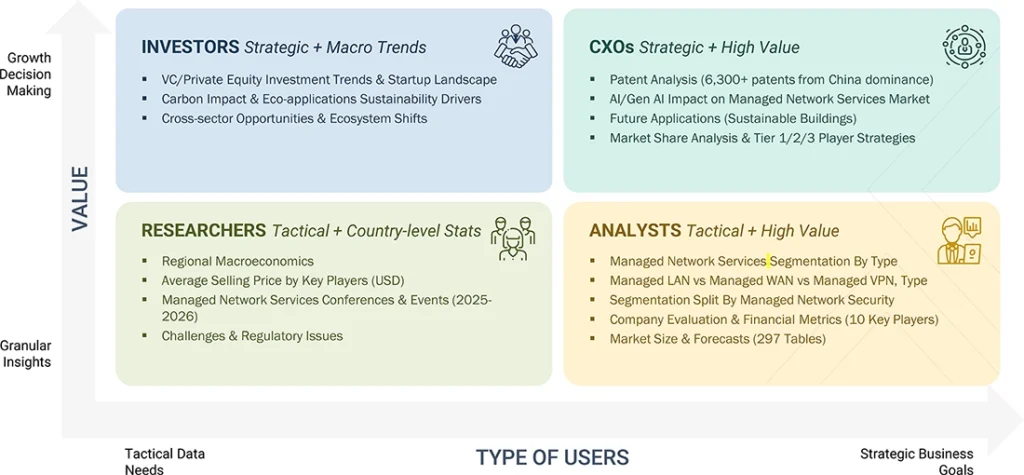
Opting for managed network services providers (MSPs) offers businesses several distinct advantages, especially when it comes to efficiency, cost-effectiveness, and security.
Firstly, MSPs bring specialized expertise that in-house teams may lack. With network managed services, businesses gain access to the latest technology and best practices without needing to invest heavily in staff training or expensive tools. This not only enhances network security but also streamlines day-to-day operations.
Secondly, outsourcing network management frees up internal resources, allowing IT teams to focus on core business objectives instead of routine network maintenance. This leads to increased productivity and reduced IT overhead.
Moreover, MSPs provide businesses with a more predictable cost structure. Unlike in-house teams that require significant investments in infrastructure and staffing, managed network services typically operate on a subscription basis, allowing businesses to budget effectively.
Finally, managed network security services are essential for safeguarding sensitive data. MSPs ensure that networks are continuously monitored for threats, keeping businesses protected from evolving cyber risks and compliance violations.
Choosing an MSP allows businesses to focus on growth, innovation, and core operations, leaving the complexities of network management to trusted experts.
READ MORE: What is a TCP/IP Protocol? Networking Importance in 2026
How Managed Network Services Improve Cybersecurity
Managed network services play a crucial role in enhancing a business’s cybersecurity posture. With cyber threats constantly evolving, it’s vital for businesses to stay ahead with continuous monitoring and proactive security measures, something MSPs specialize in.
One of the key benefits of managed network security services is the 24/7 monitoring they provide. MSPs use advanced tools to detect and address potential threats in real time, preventing costly security breaches before they can cause damage. This includes managing firewalls, intrusion detection systems (IDS), and virtual private networks (VPNs), all of which are critical for protecting sensitive data.
Furthermore, MSPs often implement Zero Trust security models and Secure Access Service Edge (SASE) solutions, which ensure that only authorized users and devices can access the network. These cutting-edge security protocols minimize the risk of unauthorized access and data leaks.
By outsourcing cybersecurity to an expert managed network service provider, businesses can focus on their core operations while knowing their network is protected by the latest security technologies and practices.
SEE ALSO: Why Computer Virus Prevention is Critical for Aspiring Cybersecurity Professionals
Pricing and Considerations for Managed Network Services
Pricing for managed network services can vary based on several factors, such as the level of service, size of the network, and specific security requirements. Typically, managed network service providers offer flexible pricing models like subscription-based or consumption-based options, which make it easier for businesses to plan and budget for their IT needs.
For example, private wireless network managed service pricing often depends on the scale and complexity of the network infrastructure. Smaller businesses may opt for basic monitoring services, while larger enterprises might require more comprehensive solutions, such as SD-WAN or fully managed security services.
Businesses should also consider the value an MSP brings to the table in terms of reduced downtime, improved performance, and enhanced security. Although the upfront cost of outsourcing network management may seem higher, the long-term savings in operational costs and cybersecurity risks often make it a cost-effective choice.
Conclusion
Managed network services are a vital resource for businesses seeking to enhance network security, optimize performance, and reduce costs. By partnering with a managed network service provider, businesses gain access to expert solutions like network management services and managed network security services, all while freeing up internal resources for core operations.
Whether you’re looking to improve cybersecurity, streamline network management, or access the latest technology, MSPs provide tailored solutions that help businesses grow securely and efficiently. Investing in managed network services ensures that your network is future-ready and protected against evolving threats.
Ready to turn your cybersecurity knowledge into a rewarding career?
Join the ExcelMindCyber Institute’s 90-day program and get hands-on experience with real-world projects. Our program doesn’t just teach theory; it prepares you for high-paying roles in GRC and security operations, starting with practical skills and expert guidance.
If you’re committed to making a career transition into cybersecurity and securing top-tier roles, this is your starting point. Don’t just learn, earn while you grow.
FAQ
What is an MSP example?
An example of an MSP (Managed Service Provider) is Cisco Meraki. Cisco Meraki provides cloud-managed IT solutions for network management, security, and monitoring. They offer services such as SD-WAN, network security, and Wi-Fi management, allowing businesses to outsource the management and monitoring of their networks to a dedicated provider with expertise and scalable solutions.
How do I get rid of managed networks on my iPhone?
To remove managed networks on your iPhone, follow these steps:
– Go to Settings.
– Tap on Wi-Fi.
– Find the network you want to remove.
– Tap the i icon next to the network name.
– Select Forget This Network.
If the network is a managed network set by an organization, such as a school or workplace, it may be configured through a Mobile Device Management (MDM) system, and you may not be able to remove it without administrator access.
How can I tell if my Wi-Fi is being monitored?
To determine if your Wi-Fi is being monitored, consider the following signs:
Unusual activity: If you notice slow internet speeds or unfamiliar devices connected to your network, it might indicate monitoring.
Suspicious devices: Use your router’s app or dashboard to check the list of connected devices. If you see any unknown devices, they could be monitoring your network.
Data usage spikes: Unexpected increases in data usage can also be a sign of monitoring or spying.
For more security, consider changing your Wi-Fi password regularly and using strong encryption like WPA3.
What are the 7 principles of MSP?
The seven principles of MSP (Managed Services Providers) focus on delivering proactive, effective network management. They are:
Proactive Monitoring and Maintenance – Constantly monitoring systems to prevent issues before they arise.
Security and Compliance – Ensuring that all services are secure and meet industry standards and regulations.
Scalability – The ability to expand services as business needs grow without significant reconfiguration.
Service Level Agreements (SLAs) – Defining clear expectations for performance, uptime, and response times.
Continuous Improvement – Regularly assessing and improving services to stay ahead of technological changes.
Collaboration and Partnership – Working closely with clients to understand their specific needs and deliver tailored solutions.
Cost Efficiency – Offering predictable, cost-effective pricing models that reduce operational and infrastructure costs.